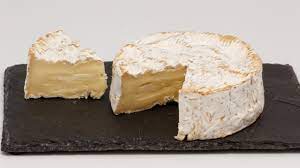
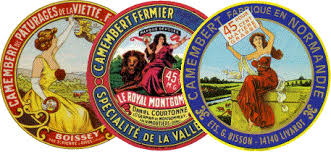
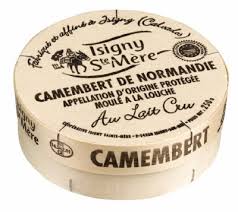
To distinguish itself from this multitude of cheeses called “camembert” by their manufacturers, the Norman agricultural production chain of the original camembert has applied for and obtained the registration as PDO, protection of the European Union, of the designation of origin. “Camembert de Normandie”. The production of milk and its transformation into cheese are provided solely by this sector made up of farmers, producers and processors who respect the specifications attached to this official label.
There were cheeses in this region long before the birth of the famous Norman Marie Harel, in 1761. From 1554 and 1569, the cheese of the Pays d’Auge is mentioned. In 1708, Thomas Corneille mentioned Camembert cheese in a treatise on geography. Since the 18th century, Camembert has become a benchmark. According to Pierre Androuët, this cream cheese made from skimmed and drained curdled milk has been transformed by the secret of making brie cheese and its economic development is linked to the proximity of fashionable seaside resorts: the cheese found there a clientele of tourists who introduced him to Paris. According to legend, historically not very credible, the history of cheese begins in October 17914, when Marie Harel, a resident of Camembert, helps the refractory Alençonnais priest Charles-Jean Bonvoust to escape the Republicans. This priest, allegedly from Brie, would then have thanked her by revealing to her the secret of making Briard cheese1. Marie Harel (II), the daughter of Marie Harel (I) and her husband Thomas Paynel, gradually increased the production of this new cheese. Napoleon III, during a stay in Argentan, would have tasted it, appreciated it and had it delivered to his Tuileries palace in Paris. This is how the fortune of Camembert would have started. (extract from Wikipedia)